
House Slabs

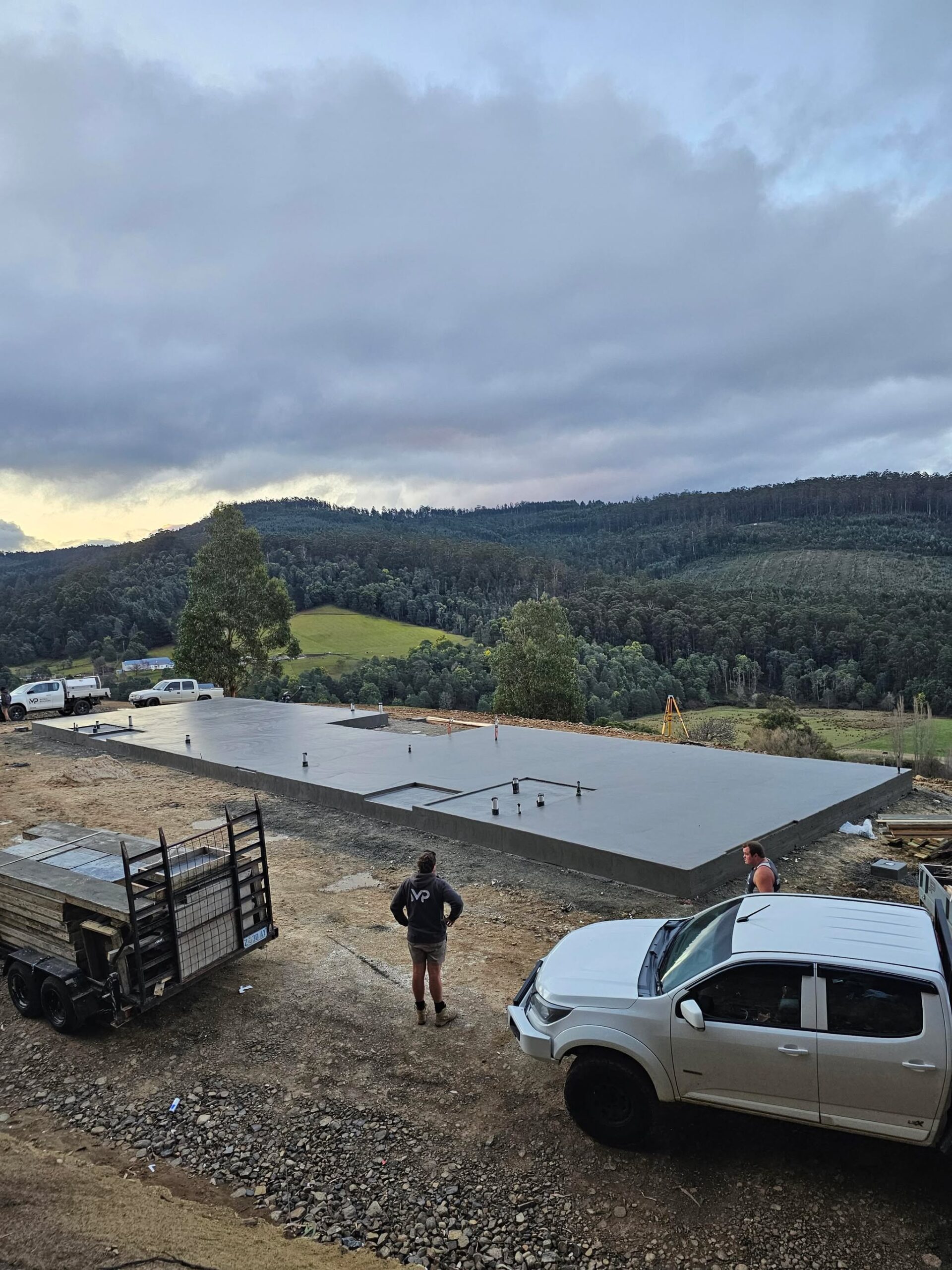
Every great home starts with a good foundation, and in Hobart, that means having the right house slab.

At JP Concreting Tas, we design and install concrete slabs tailored to the local conditions – built to last and, importantly, built with care.

 Whether you’re constructing a new home or planning a large-scale extension, the quality of your slab can make all the difference. 

Our experienced team ensures each slab is structurally sound, climate-resilient, and tailored to suit your land, build and budget.

Benefits of House Slabs

Choosing a concrete slab foundation offers a range of long-term benefits for both your build and your budget. From strength and stability to peace of mind, here’s why house slabs are the go-to option for many Hobart homeowners.

  • Durability & load-capacity: House slabs are designed to carry the structural weight of your home and resist movement caused by soil changes or weather events. They’re built tough to handle Hobart’s seasonal shifts and diverse terrain.
  • Low maintenance: Once installed properly, a house slab requires minimal upkeep compared to raised or framed foundations. There’s no crawl space to manage, and fewer areas where moisture or pests can infiltrate.
  • Site-smart design: Well-designed slabs help manage stormwater, frost risks, and soil movement – all of which are relevant to building in Hobart’s climate. A quality slab reduces the chance of structural damage over time.
  • Efficient construction: Using a slab-on-ground design can simplify and speed up the building process, especially on level sites. That means your builder can move quickly to framing and beyond, saving time on site.
  • Better long-term value: Strong, low-maintenance foundations reduce the risk of future repairs or issues. A properly constructed house slab adds tangible value to your property and peace of mind for years to come

 A concrete slab might not be the most visible feature of your home – but it’s one of the most important.

Types of House Slabs

Different homes – and different blocks – require different types of slabs. The right slab will depend on your design, soil type, drainage needs, and whether your block is flat or sloped.

Slab on Grade: This is the most common option for new homes on level sites. A single concrete slab is poured directly onto the prepared base, creating a strong, simple foundation. It’s cost-effective, reliable, and ideal for most residential blocks in Hobart.

Slab-on-grade designs also help protect against moisture and pests by sealing off ground-level access, and when poured with care, they offer excellent performance for decades.

Suspended Slab: A suspended slab is elevated above the ground and supported by piers, beams, or structural framework. This is often used on sloping or unstable terrain where pouring a slab directly onto the ground isn’t viable.

Suspended slabs allow for better ventilation, easier access to plumbing or utilities, and greater adaptability on tricky blocks. They’re a great option for complex builds or homes on hillsides.

Hybrid or Waffle Pod Slabs: Hybrid designs, like waffle pod slabs, are suited for certain soil types or custom engineering specifications. These systems involve a grid-like structure that distributes weight more evenly across the site.

JP Concreting Tas can work closely with your builder or engineer to determine if this type of slab offers better performance or efficiency for your site and plans.

The House Slab Installation Process

Understanding the steps involved helps you know what to expect. At JP Concreting Tas, we manage every stage of the process – from initial excavation to the final pour – with a focus on precision, quality, and long-term performance.

The success of your driveway slab depends on a precise, methodical installation process. At JP Concreting Tas, we follow a professional step-by-step approach designed to ensure both structural integrity and long-term performance.

  • Site Preparation & Excavation: Every slab starts with clearing and levelling the site. We remove vegetation, debris and old materials before setting out accurate levels and boundaries based on your home’s design. Correct excavation helps avoid issues later – from poor drainage to slab cracking – so we take the time to get it right the first time.
  • Sub-base & Compaction: A solid base is essential. We install a compacted layer of crushed rock or gravel beneath the slab to ensure even support and help prevent shifting or subsidence over time. This step also helps improve drainage and create a more stable structure overall.
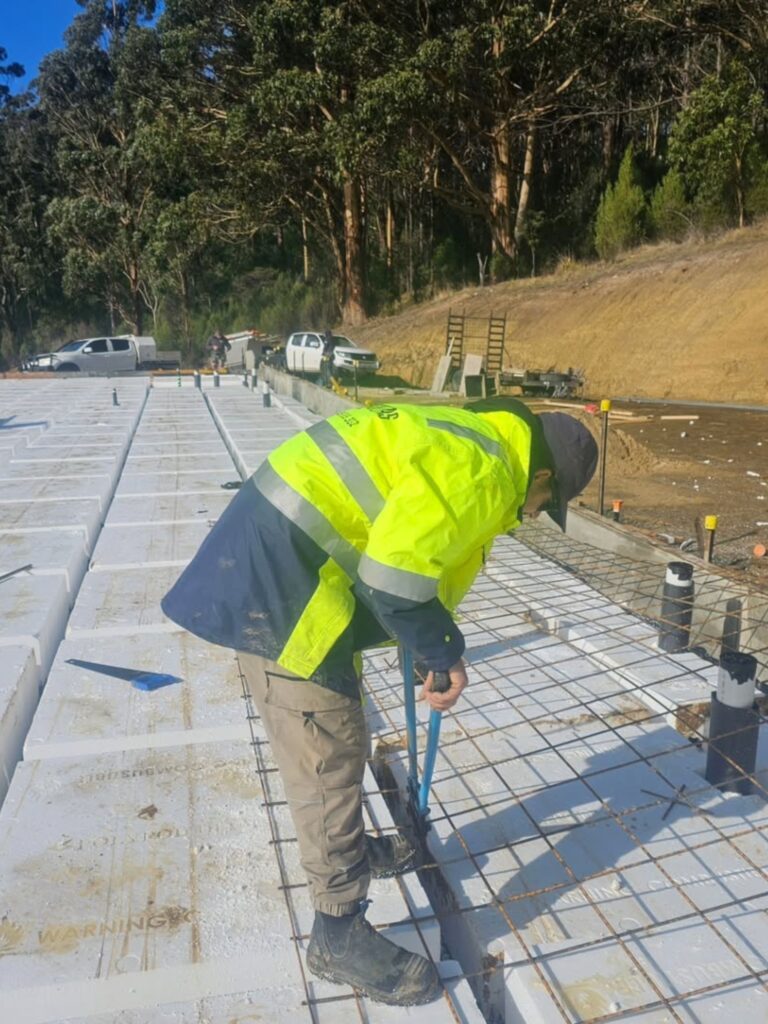
  • Reinforcement Setup: We lay SL82 mesh or structural rebar according to the engineer’s specifications. This steel reinforcement strengthens the concrete and helps it resist cracking or movement. Our team ensures proper overlap, spacers, and placement – no shortcuts.
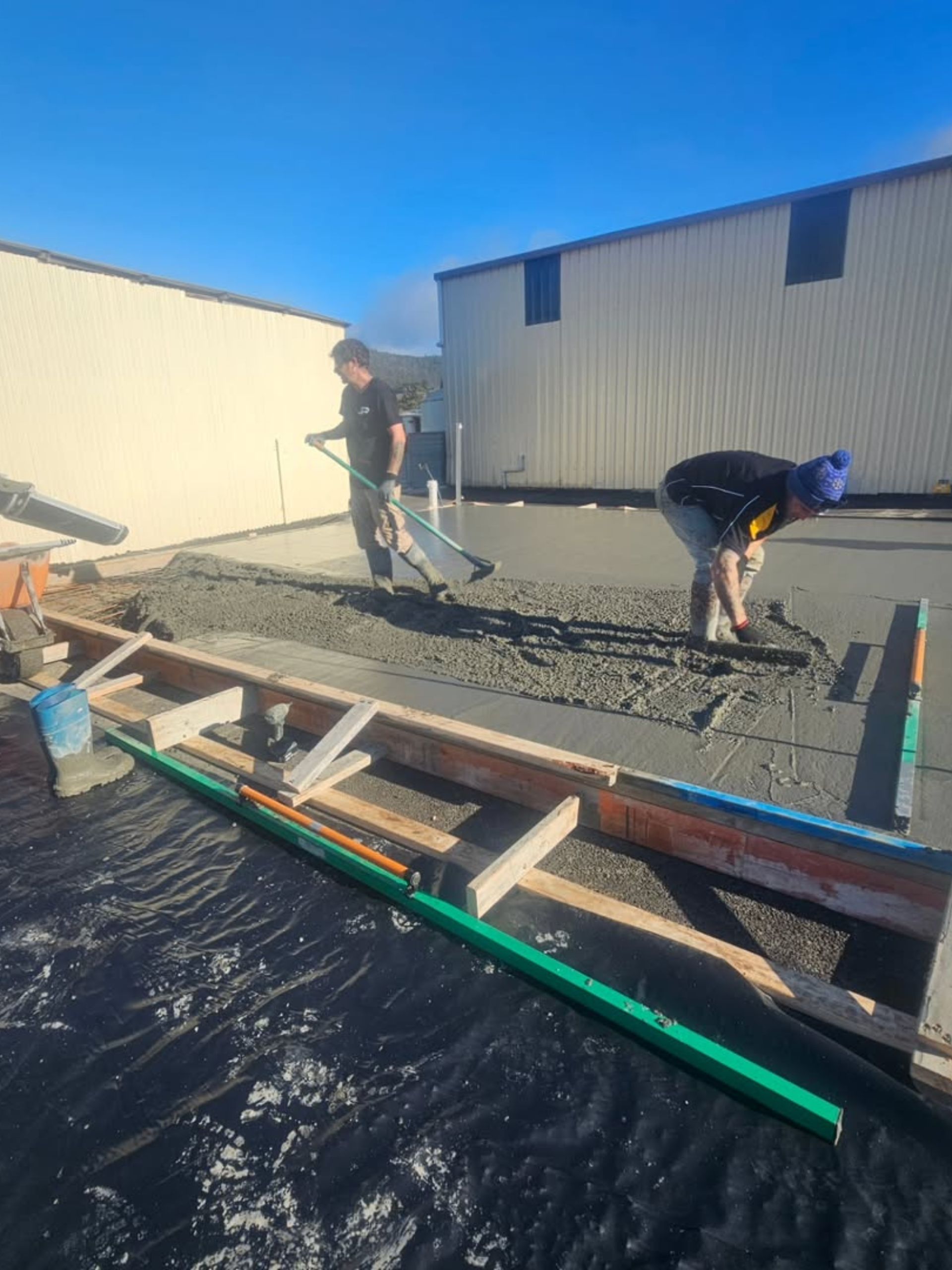
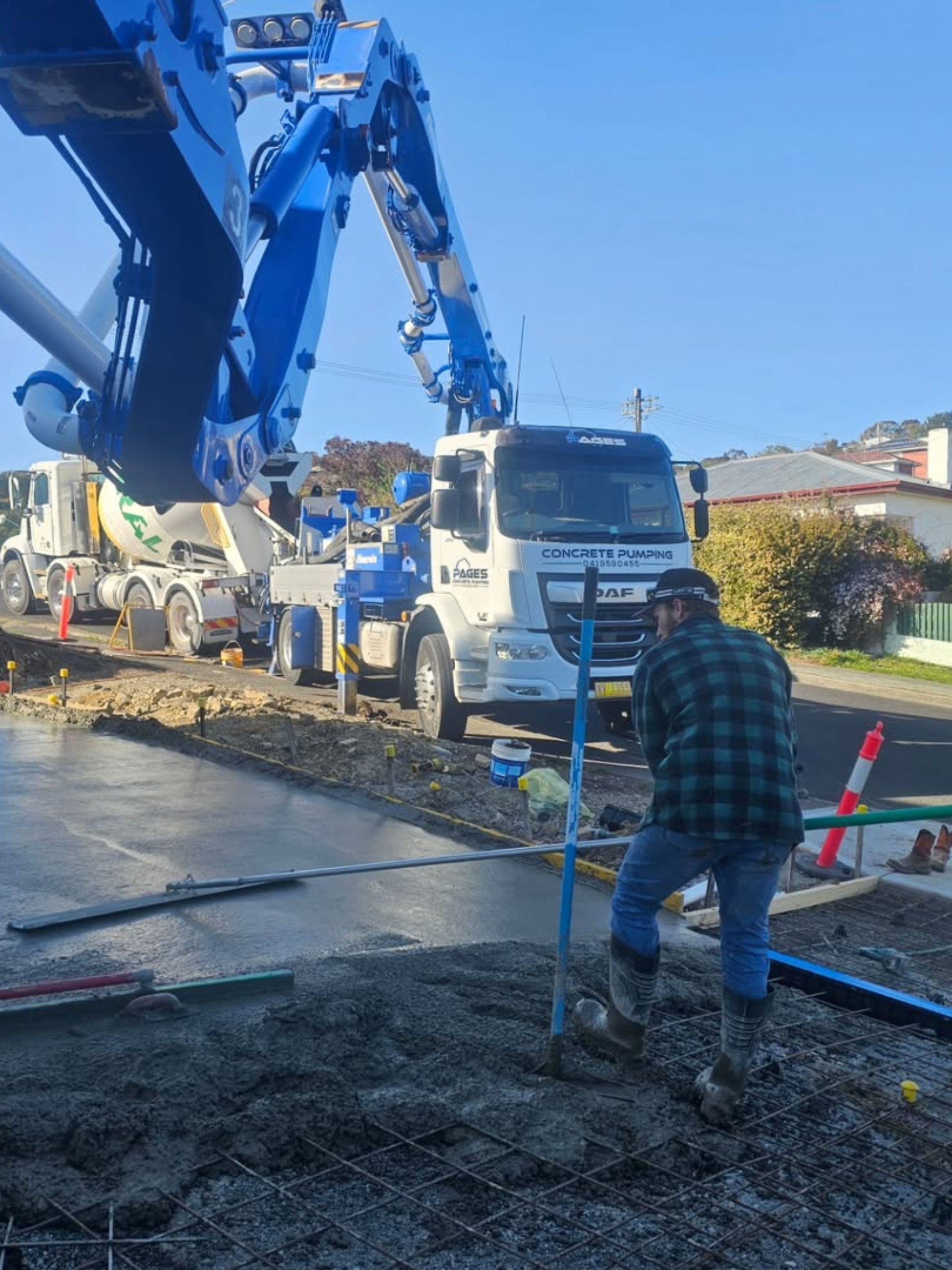
  • Concrete Pouring & Finishing: We pour high-quality concrete in a single, controlled session. The slab is then screeded, levelled, and finished depending on the design – whether plain, trowelled, or floated for flooring. Curing is carefully managed to allow for full strength gain. We’ll also install protective barriers or covers if needed during Hobart’s unpredictable weather.
  • Drainage & Compliance Checks: We ensure all drainage requirements are addressed – either by surface slope or additional trenching.

We also complete internal checks to align with council and engineering specs. When finished, your slab will be ready for framing – flat, strong, and built to last.

Frequently Asked Questions about House Slabs

We often get questions from homeowners looking to understand the slab process. Here are a few answers to help you feel confident about your project:

We offer slab-on-grade, suspended, waffle pod, and other reinforced concrete slab systems. We can recommend the right one after assessing your block and project requirements.

Generally, site preparation, pouring and curing takes between 3–7 days depending on size, weather, and site access. Larger or engineered slabs may take longer.

Most residential house slabs are 100mm–150mm thick, depending on the engineering specifications and soil class.

In some cases, yes – but we’ll inspect the existing slab to assess its condition, drainage, and suitability for an overlay or rebuild.


Costs vary by site, slab type and size. The best way to get an accurate figure is to contact us for a free, no-obligation quote.
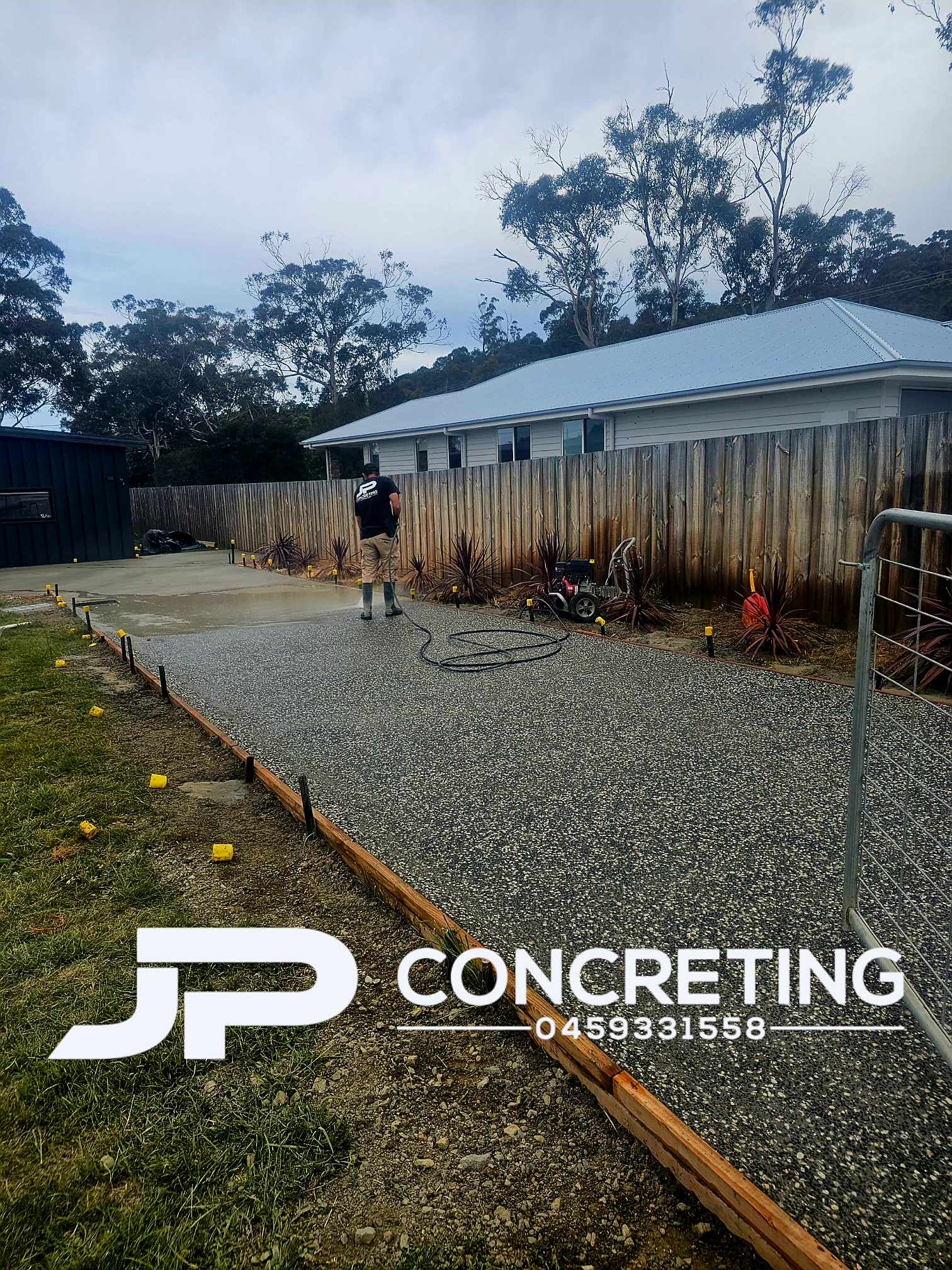

Why Choose JP Concreting Tas

Working with the right concreter makes all the difference. With JP Concreting Tas, you’re getting more than just a slab – you’re getting local knowledge, high-quality work, and a team you can rely on.

  • Experienced, licensed team: We’re qualified, insured, and experienced in residential slabs of all sizes.
  • Built for Hobart conditions: We understand local soils, drainage patterns, and building codes – no guesswork, no delays.
  • No surprises: We provide clear quotes with no hidden costs, and we’ll communicate with you every step of the way.
  • Top materials, every time: From SL82 mesh to quality concrete and curing techniques – we build slabs the right way.
  • Professional and respectful: We take care of your site like it’s our own and aim for minimal disruption.

As experienced  Hobart concreters, we’ve helped countless locals lay the foundations for their dream homes. Explore more on our Services page, or get in touch via the Contact us today for a free quote and advice.